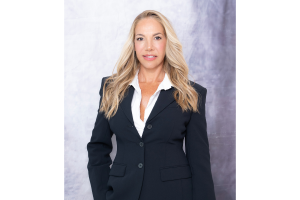
The president of VoLo Foundation has once again been named to the list of the 100 Latinos Most Committed to Climate Action.
By Carlos Roa
Thais Lopez Vogel, president of VoLo Foundation, is among the honorees on the 2026 list of the 100 Latinos Most Committed to Climate Action, an initiative by environmental organization Sachamama and the EFE news agency, with support from partner organizations.
The list recognizes people working to protect the environment in fields such as science, communications, public policy and activism. This is the sixth time Lopez Vogel has been included.
The power of small actions
The first time you received this recognition was in 2019. How has your view of leadership in addressing environmental challenges changed since then?
If someone had told me back then everything we would accomplish, I wouldn’t have believed it. When I first received the recognition, VoLo Foundation was only five years old. I never imagined our work would reach so many people.
I believe small actions can inspire big changes, and their impact can be enormous. We’ve seen that through initiatives such as Florida Climate Week™ and Climate Correction®. Seeing that progress is very rewarding.
What does it mean to receive this recognition again?
It’s a responsibility. It reminds me that we must keep going and that there’s always more work to do.
Behind this work is the entire VoLo Foundation team, the organizations we collaborate with and the communities that are committed to these efforts.
What Latinos bring to the table
Do you think Latino roots give people a special connection to nature?
Yes. We come from countries where nature is part of everyday life. We have memories tied to rivers, beaches and the landscapes of our home countries. We’ve also seen how environmental problems directly affect our communities. It’s not something abstract. We feel the impact firsthand.
Our roots taught us to care for the Earth; now it’s our turn to defend it. When you combine that connection with the knowledge of scientists, the work of educators and community involvement, you can accomplish a great deal.
This year’s list includes people with very different backgrounds and experiences. What does that diversity tell you?
It tells me there’s a place for everyone. We need governments, universities and scientists, but we also need educators, businesses and, of course, our communities.
And there’s something very important: Climate action also speaks Spanish. Latinos aren’t just experiencing these problems firsthand. We’re also launching initiatives, finding answers and encouraging others to get involved.
Education to shape the future
In 2023, you said we always need to keep learning and working harder. What do you think we need to learn today?
We need to understand that these challenges are real and are already affecting our lives. Rising sea levels, extreme heat, hurricanes and the cost of insurance are part of everyday reality for many communities.
But I also think we have reasons to be optimistic. When a community understands the risks it faces and knows how to prepare, it’s in a much better position to respond. That’s why education is so important.
Technology is advancing, and I’m excited to think about what the next generations will accomplish. At VoLo Foundation, we invest in education from an early age because young people will play a crucial role in finding the answers we need.
New opportunities
How would you like to use the visibility this recognition brings to reach new audiences?
We want to keep showing how climate, education and health are connected. Sometimes we talk about these issues as if they’re separate, but we can’t have healthy people on an unhealthy planet.
We also want to strengthen our partnerships, support more Latina women working in this field and tell stories about innovation, as we do with the television series The Visioneers.
And something that’s essential to us is listening to communities. We believe in trust-based philanthropy. We can provide resources and tools, but communities know their own needs better than anyone. We have to give them the opportunity to lead and make their own decisions. In the end, it’s not about doing things for them. It’s about supporting them so they can move forward on their own terms.
Has this recognition prompted you to think about new projects?
I’d say it’s more about seeing doors open that we never imagined would be available to us. For example, we were invited to participate in Eudemonia, a conference focused on health, to discuss how environmental problems affect people’s well-being.
That gives us an opportunity to talk with people in other fields and show them that these issues affect all of us. We want to share what we’ve learned, hear other perspectives and find new ways to work together. Ultimately, that’s what it’s all about: reaching more people and getting more of them involved.